Become a Certified
Exercise Recovery Specialist
* 20 Credits *
Recovery is where progress truly begins
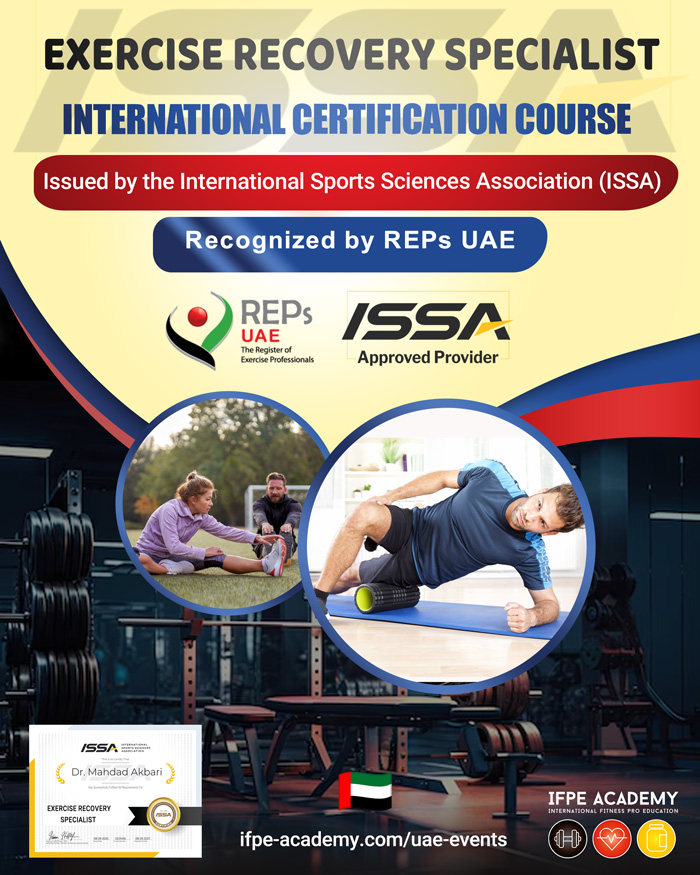
How It Works
REPS UAE 10 CPD
ISSA 20 CEUs
Why Specialize In Exercise Recovery?
As the awareness and emerging trend of recovery continues to grow, the fitness industry is realizing it is so much more than just stretching, foam rolling and scheduling rest days. Although trainers may realize the importance of emerging recovery techniques, they need a foundational knowledge of the science and the ability to make these holistic health recommendations. Applying the elements of recovery are just as crucial to training programs as the physical activity components. As a Certified Exercise Recovery Specialist, you will deliver a unified approach with clients to get them feeling, looking, and performing their best.
Mastering this cutting-edge topic will send you to the top of the trainer leaderboard, and have clients turning to you as the expert in the latest fitness advancement.
When you specialize in Exercise Recovery, you offer a paramount service to clients. This means you can increase your rates AND have a new, standalone service offering.
Who Are ISSA Exercise Recovery Specialists?
ISSA Certified Exercise Recovery Specialists have a passion for improving the quality of their clients’ lives beyond their scheduled workout. They might also have a passion for corrective exercise and personal training, but these specialists take it a step further. Knowing how the body is influenced by sleep quality, stress release, rest, and nutrition – ISSA Exercise Recovery Specialists provide clients with the most robust program to get their best results. ISSA Exercise Recovery Specialists understand the complexities of the recovery process and the risks of not building a comprehensive plan for muscle repair.
What You'll Learn From This Course
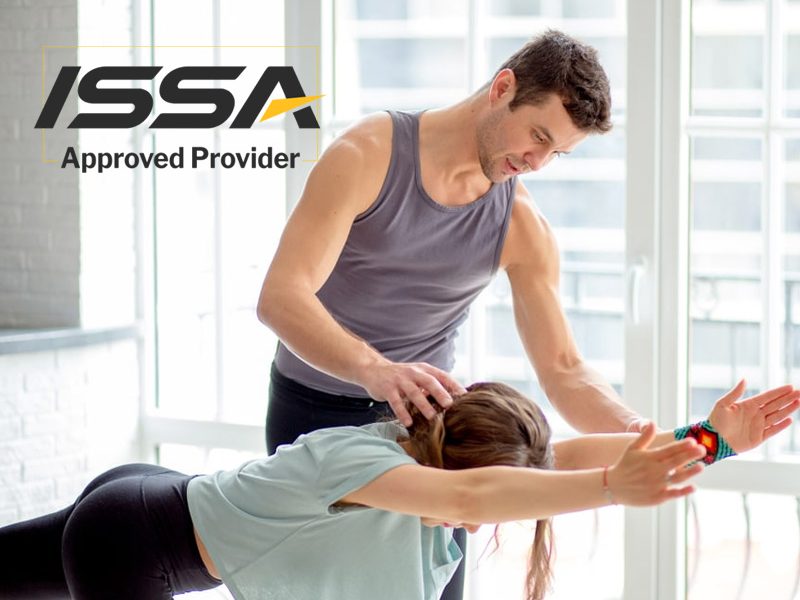
As an ISSA Exercise Recovery Specialist, you'll help clients reach their fitness goals with a personalized program for their time during their workout and beyond.
◼️ Physiology of Muscle Damage
◼️ Overtraining
◼️ Psychology of Overtraining and Workout Recovery
◼️ DNA-Based Recovery
◼️ Nutrition and Supplementation
◼️ SMR and Flexibility Techniques
◼️ Sleep
◼️ Massage Therapy
◼️ Advanced Recovery Strategies
COURSE CONTENTS
Factors for Recovery
The Energy Systems
The Next Step in Fitness
The Musculoskeletal System
Bone and Muscle Development
Effects of Exercise on Bone
Effects of Exercise on Muscle
Exercise for Health
Acute Training Variables
Training Periodization
Overtraining
Stages of Overtraining
Overtraining Symptoms
Brain Sciences
The Neurophysiology of Stress
Psychoneuroimmunology
Exercise and Brain Health
Psychosomatic Techniques for Psychological Recovery
Cognitive Behavioral Techniques for Psychological Recovery
Returning to “Normal”
Cellular Metabolism and ATP
Phosphagen System (ATP-PC)
Anaerobic Glycolysis
Aerobic Metabolism
Energy Production and Overlap
Rest versus Recovery
Recovery
Hormones and Recovery
Rest
Role of Nutrition on Recovery
Macronutrition
Gut Health
Nutrient Timing
Necessary Calculations
Nutrition Case Studies
Water in the Body
Hydration for Recovery
Dehydration Risk
Practical Rehydration Suggestions for Clients
Nutritional Supplements
Performance Supplements
Sleep Supplements
Supplement Case Studies
Foundations of Flexibility Training
Stretching Techniques
Self-Myofascial Release
Genotypes and Phenotypes
Testing DNA
Modifying Training and Recovery Protocols
DNA Report Practical Application
The Circadian Rhythm
Stages of Sleep
Sleep, Genes, and Hormones
Sleep Hygiene
Sleep Deprivation
Strategies to Improve Sleep
Soft Tissues
Massage and Chronic Conditions
Massage for Muscle Imbalance
Mechanisms of Massage
Preventing Muscle Soreness
Self-Massage Techniques
Massage Application Scenarios
Scope of Practice
Advanced Therapies
Mindfulness
Recovery Guidelines by Therapy
Types of Wearable Technology
Wearable Technology Sensors
Wearable Technology Metrics
Selection of a Wearable Technology
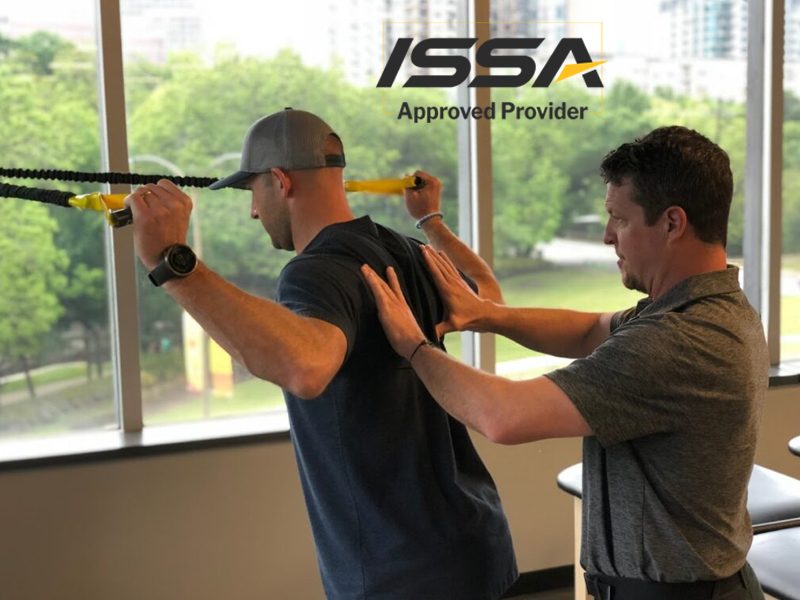
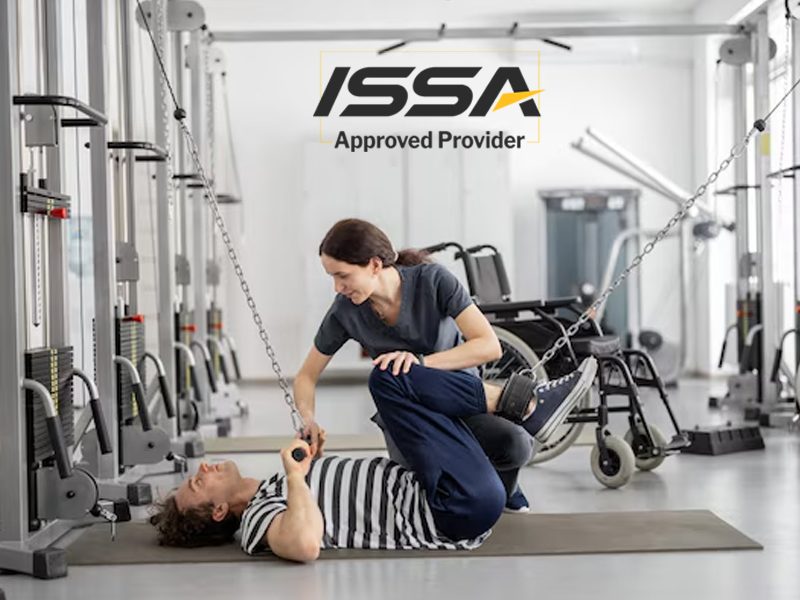
Overtraining is just as unsafe as under-recovering.
So, how do you build the best recovery programs for your clients? As an ISSA Exercise Recovery Specialist, you’ll personalize recovery techniques based on thorough assessments and the individualized needs of every client. Custom training like this keeps clients coming back because they know YOU put THEM first.
Rest, Recover, & Read
On your path to becoming a trusted Exercise Recovery Specialist, you’ll learn:
Tips for Better Workout Recovery
✔️Training and Recovery Tips for Post-Workout Fatigue
✔️What to Eat on Rest Days to Best Support Muscle Growth
✔️Best Ways to Optimize Recovery for Strength Training
Study on your own schedule! Our easy-to-use online system lets you access lessons from any device, anytime.
Watch and listen to experts explain key topics in a simple, clear way that you can use in real life.
Get all the information you need in one place, easy to read and search whenever you need it.
Test yourself with short quizzes to see what you know and what you need to review—no pressure!
No need to stress! Our open-book, open-note online test helps you show what you’ve learned without anxiety.
Build confidence with our extensive collection of demonstration videos showing exercises to use with your clients.

COURSE AUDIENCE (for whom this course can be useful)
◼️ Aspiring Exercise Recovery Specialists, fitness trainers, and sports professionals looking to build a career in recovery science, injury prevention, and performance restoration.
◼️ Individuals aiming to expand their expertise in designing, teaching, and supervising structured recovery programs for athletes and active individuals of all levels.
◼️ Those seeking reputable, internationally recognized certifications to enhance their professional credibility as Exercise Recovery Specialists.
◼️ Fitness and performance professionals striving to improve their recovery strategies, coaching techniques, client education, and long-term athlete care.
◼️ Motivated individuals committed to helping clients recover faster, reduce injury risk, optimize performance, and maintain long-term physical health through effective recovery methods.
Corrective Exercise Specialist Course in the UAE – FAQs
An Exercise Recovery Specialist is a fitness professional trained to apply evidence-based recovery strategies, including sleep optimization, stress management, mobility work, and recovery planning to improve client performance and reduce injury risk.
Yes. The course is fully online and highly relevant for fitness professionals working in the UAE, Saudi Arabia, Qatar, and Oman, where client demands and training intensity are often high.
Yes. Successful completion provides REPs UAE CPD credits, which can be used as part of the required CPD credits for REPs UAE license renewal.
Yes. This certification is 100% online and self-paced, allowing you to study from anywhere while balancing work and personal commitments.
The course covers recovery science, sleep and circadian rhythms, stress management, mobility and regeneration techniques, nutrition for recovery, and practical recovery strategies for clients and athletes.
By understanding how recovery, sleep, and stress affect performance, coaches can help clients feel better, recover faster, and train more consistently, leading to higher satisfaction and long-term retention.
Yes. The principles taught in this course apply to both athletes and general fitness clients, making it valuable for a wide range of coaching environments.
This certification helps fitness professionals stand out, expand their service offerings, improve professional credibility, and create more sustainable coaching and business opportunities.
Approved by the International Sports Sciences
Association (ISSA), USA.