An essential resource for coaches and fitness professionals working with young athletes.
Youth fitness training has become increasingly important as more children and teenagers participate in organized sports, recreational activities, and structured exercise programs. Unlike adults, young athletes require age-appropriate, development-focused, and safety-driven training programs that support healthy growth rather than performance at any cost. Understanding how to design effective youth fitness programs is essential for coaches, trainers, and fitness professionals working with children and adolescents.
Why Youth Fitness Training Requires a Different Approach
Children and teenagers are not simply “smaller adults.” Their bodies are constantly changing due to growth spurts, hormonal development, and neuromuscular adaptation. Training programs that work well for adults can be ineffective—or even harmful—when applied to youth.
Key differences include ongoing skeletal growth, developing coordination and motor skills, limited tolerance for high training volume, and increased sensitivity to fatigue. Effective youth fitness training focuses on long-term development rather than short-term performance results.
Understanding Age-Specific Training Needs
Training Children (Ages 6–12)
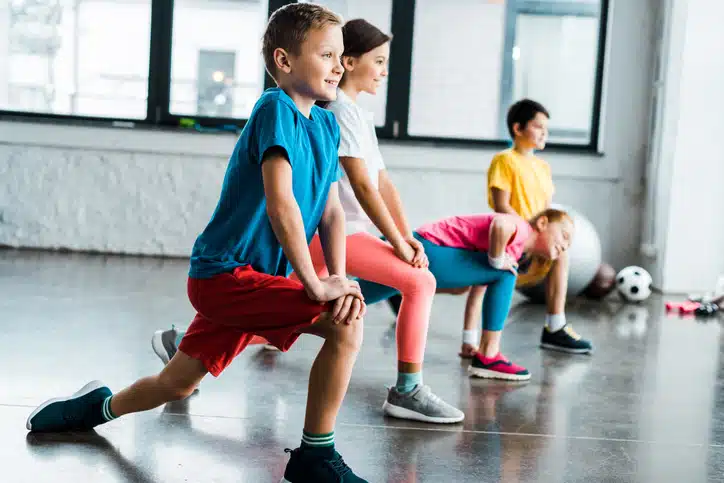
At this stage, the primary goal is to develop fundamental movement skills such as running, jumping, throwing, pushing, and pulling. Training should be enjoyable, varied, and focused on learning movement patterns.
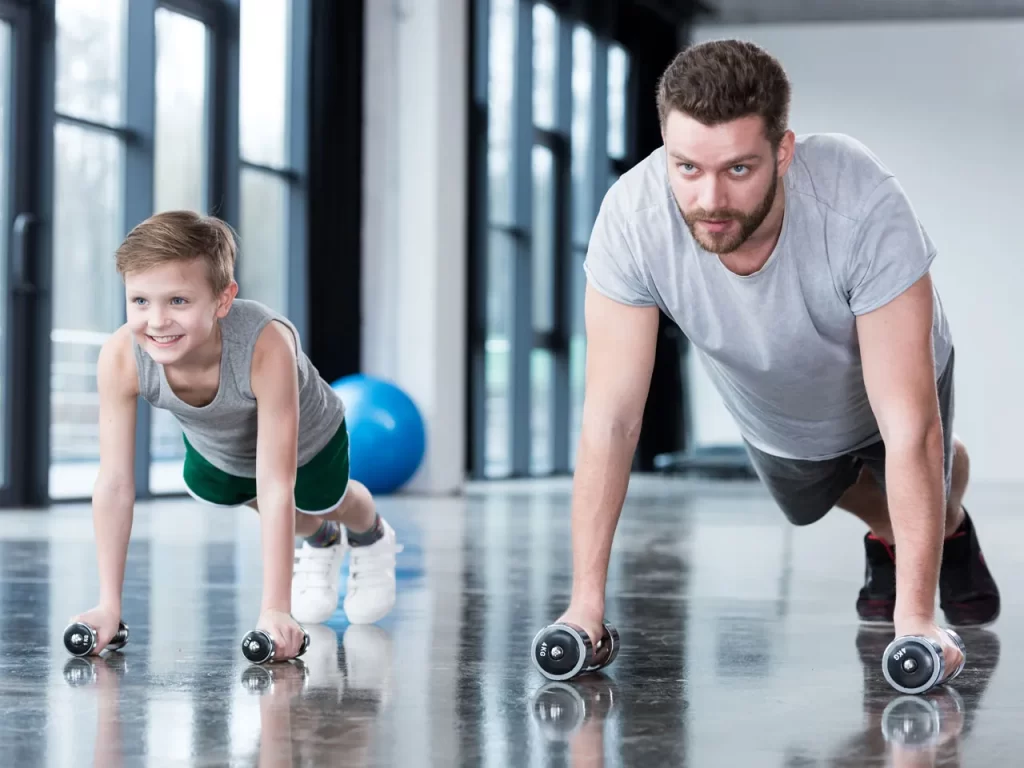
Best practices include bodyweight exercises, light resistance under supervision, movement-based games, and short training sessions with frequent breaks. Strength training is safe when proper technique and qualified supervision are provided.
Training Adolescents (Ages 13–18)
Teenagers can handle more structured training, but growth spurts may temporarily affect coordination and mobility. Programs should emphasize progressive strength training, injury prevention, mobility, and balanced conditioning.
Education also becomes critical at this stage. Teaching adolescents about recovery, proper warm-ups, and listening to their bodies helps reduce injury risk and supports long-term development.
Core Principles of Safe Youth Fitness Programs
Proper technique should always come before increasing load or intensity. Movement quality is the foundation of safe youth training. Progressive overload must be applied carefully and based on individual readiness rather than age or comparison with peers.
A balanced youth fitness program should include strength training, mobility work, speed and agility development, coordination exercises, and adequate recovery. Early specialization should be avoided to reduce the risk of overuse injuries.
Injury Prevention in Youth Fitness Training
Overuse injuries are increasingly common among young athletes due to excessive training volume and poor program design. Limiting repetitive stress, managing weekly training load, and incorporating flexibility and recovery strategies are essential.
Educating young athletes on recognizing fatigue and discomfort is just as important as physical training itself.
The Importance of Professional Youth Fitness Education
Working with children and adolescents requires specialized knowledge in growth and development, youth physiology, injury prevention, and effective communication. Fitness professionals who invest in advanced education are better prepared to design safe, evidence-based programs.
Youth Fitness Career Opportunities in the Middle East
Youth fitness programs are expanding rapidly in the UAE, Saudi Arabia, Qatar, and Oman. Schools, sports academies, and fitness centers are actively seeking qualified professionals who understand youth-specific training principles, creating strong career opportunities across the region.
Conclusion
Designing safe and effective youth fitness programs requires more than general fitness knowledge. By focusing on age-appropriate training, proper technique, injury prevention, and long-term development, fitness professionals can help children and teenagers build a strong foundation for lifelong health and physical activity.