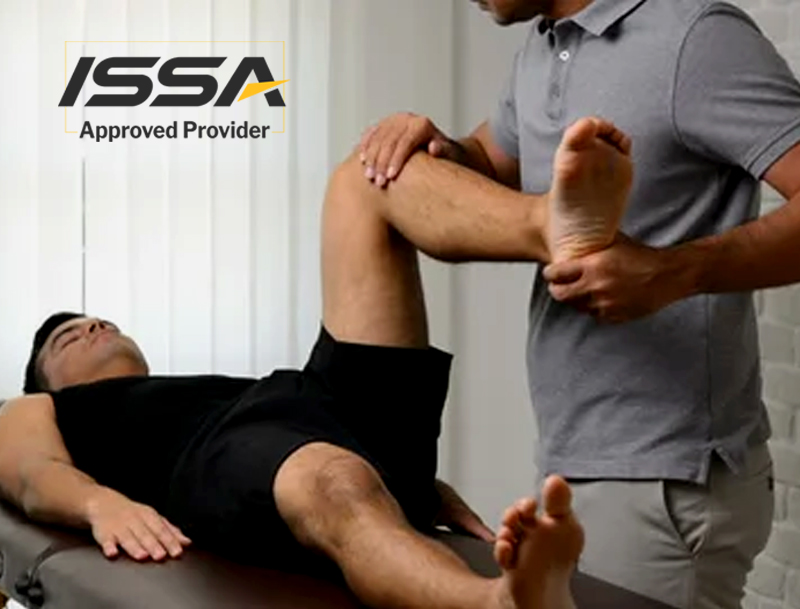
How Sleep and Stress Directly Impact Training Results

Sleep and Stress Management in Fitness: The Hidden Factors Behind Performance and Recovery
Sleep and stress are two of the most powerful — yet often underestimated — factors affecting physical performance, muscle recovery, and long-term health. Even the most carefully designed training programs can fail when the body’s recovery systems are compromised. Without adequate sleep and proper stress regulation, progress slows, injury risk rises, and motivation declines.
In modern fitness programming, understanding recovery science is no longer optional. It is a critical component of sustainable results.
Why Sleep Is Essential for Muscle Growth and Performance
Sleep is the body’s primary recovery mechanism. During deep sleep stages, the body increases growth hormone production, accelerates tissue repair, and restores nervous system balance. This is when real adaptation from training occurs.
When sleep quality is poor, the following effects often occur:
- Reduced muscle protein synthesis
- Slower recovery between sessions
- Increased cortisol levels
- Impaired reaction time and coordination
- Higher risk of injury
Clients who consistently sleep less than 6–7 hours per night often struggle with fat loss, muscle gain, and overall performance.
The Impact of Chronic Stress on Recovery
Stress activates the body’s sympathetic nervous system — the fight-or-flight response. While short-term stress can enhance performance, chronic stress keeps the body in a constant alert state.
Elevated stress levels increase cortisol production, which can:
- Suppress immune function
- Interfere with fat metabolism
- Disrupt hormonal balance
- Impair sleep quality
- Reduce recovery capacity
Fitness clients managing demanding careers and family responsibilities often carry hidden stress loads that directly impact their training outcomes.
Recovery Challenges in the Middle East
In regions such as the UAE, Saudi Arabia, Qatar, and Oman, many fitness clients work in high-pressure environments. Long office hours, late-night schedules, travel demands, and digital overexposure often disrupt circadian rhythms and sleep patterns.
Common regional recovery challenges include:
- Irregular sleep schedules
- Late-night social or work commitments
- High mental workload
- Limited downtime
- Reduced exposure to natural daylight
These lifestyle factors make sleep and stress management a crucial part of coaching strategy in the Middle East fitness market.
Understanding Sleep Cycles and Circadian Rhythms
Sleep is divided into multiple stages, including light sleep, deep sleep, and REM sleep. Deep sleep is especially important for physical recovery, while REM sleep supports cognitive and emotional restoration.
Circadian rhythms — the body’s internal clock — regulate hormone release, body temperature, and energy levels. Disrupted sleep timing negatively impacts performance, mood, and metabolic function.
Educating clients about consistent sleep schedules, reducing screen exposure before bed, and creating proper sleep environments can dramatically improve recovery quality.
Practical Strategies for Coaches
Fitness professionals can integrate simple yet effective recovery strategies into their programs:
1. Adjust Training Load Based on Stress Levels
If a client reports poor sleep or high stress, reducing training intensity temporarily prevents overtraining.
2. Incorporate Mobility and Low-Intensity Recovery Sessions
Active recovery, breathing exercises, and mobility work support parasympathetic nervous system activation.
3. Teach Stress Management Techniques
Guided breathing, light walks, stretching routines, and recovery-focused sessions help regulate cortisol levels.
4. Monitor Recovery Indicators
Tracking resting heart rate, mood, sleep hours, and soreness levels provides valuable data for program adjustments.
The Connection Between Sleep, Fat Loss, and Muscle Growth
Sleep deprivation affects hunger hormones such as ghrelin and leptin, increasing appetite and cravings. Clients with poor sleep often struggle with weight management despite consistent training.
At the same time, inadequate sleep reduces muscle repair and testosterone production, limiting strength and hypertrophy gains.
Recovery planning directly influences body composition results.
Why Recovery Education Elevates Professional Credibility
Many trainers focus exclusively on workouts while overlooking sleep and stress management. However, high-level coaching requires understanding the full recovery equation.
Professionals who complete an ISSA Exercise Recovery Specialist course gain structured knowledge in sleep science, stress physiology, nervous system regulation, and evidence-based recovery programming.
Long-Term Client Retention Through Smarter Recovery
Clients are more likely to stay consistent when they feel energized rather than exhausted. Coaches who address sleep and stress build stronger relationships and better long-term results.
In competitive fitness markets like the UAE and Qatar, recovery-focused coaching creates differentiation and professional authority.
Conclusion
Sleep and stress management are foundational pillars of performance, recovery, and sustainable fitness progress. Ignoring these factors limits results, increases injury risk, and reduces motivation.
By integrating structured recovery strategies into programming, fitness professionals can improve consistency, performance, and long-term client satisfaction — especially in high-demand regions such as the Middle East.
بگو 👌